

How to focus on what matters
And a story from Kenya I hope will matter to you

Oversaturated. That’s how I’m feeling these days.
One thing I love about writing this newsletter — writing to you — is that it gives me a reason to slow down and reflect.
It was my birthday a few days ago (yes, I’m an Aquarius, and it’s pretty much all you need to know about me), and I went through the wild ride of my camera roll. I don’t think I’ve ever traveled so much in my life — from Tenerife to the Namib desert to Cape Town, Nairobi, Madrid, Paris, New York, Montreal, Vancouver, and a bunch of places I’m definitely forgetting.
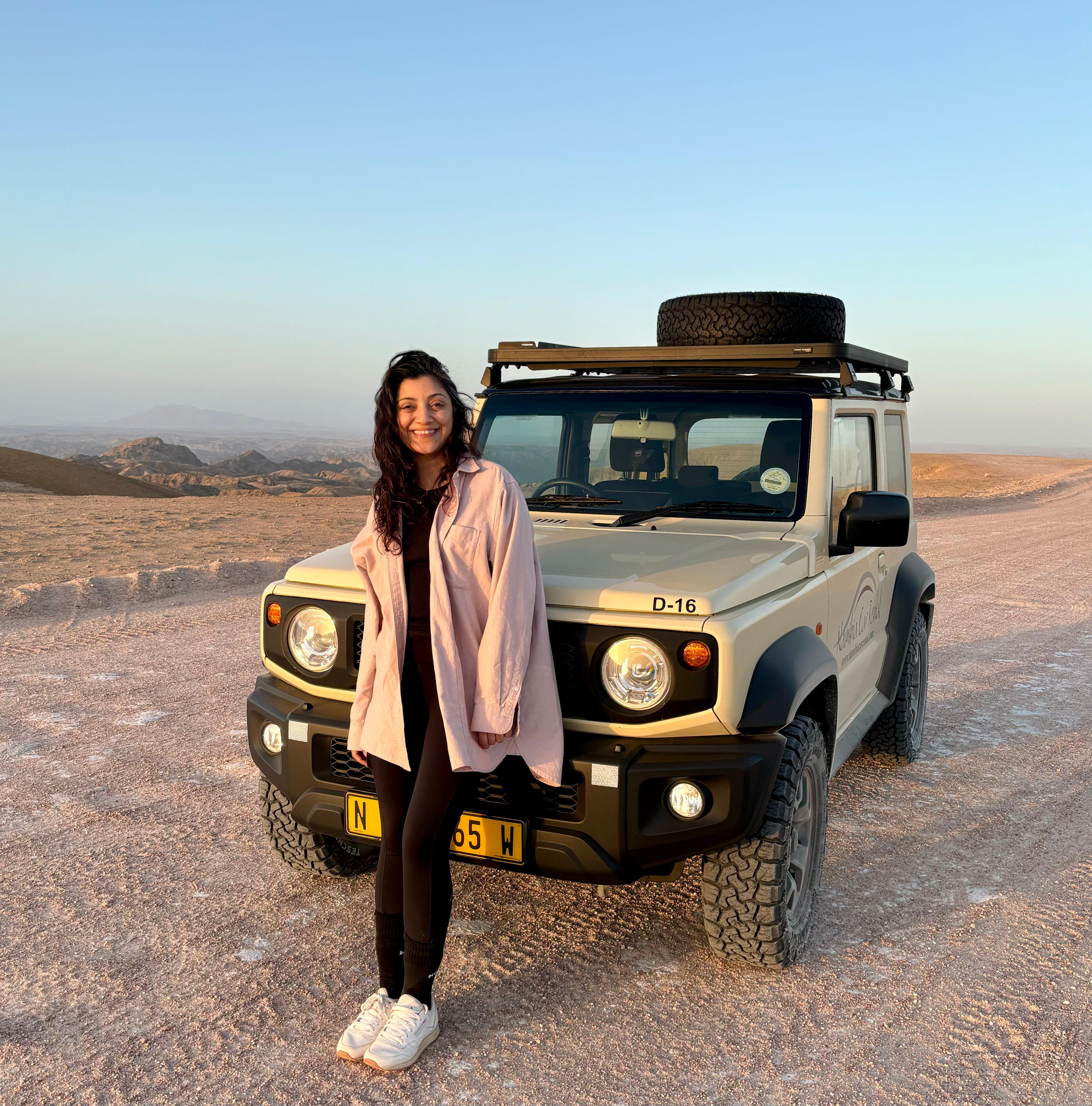
I had an incredible year, but I haven’t *absorbed* all the good things — all the warm and fuzzy connections, the belly laughs, the quiet moments. Part of it is because, for some reason, it seems easier to focus on inconveniences and obstacles, just as it seems natural to focus on an increasingly hopeless news cycle that seems to be speeding up by the minute. Even as a journalist, it’s a bit much. So how do we pay attention to what’s important?
Immediacy is overwhelming. Oversaturating. And relentless notifications make us feel like we need to respond to every single thing. Comment on every single crisis, whether we have a shred of actual insight. As a writer and journalist, I try to fight the immediate-response-impulse by focusing on the work — not just what’s in front of me, but reminding myself that I’m building a body of work. And not every single day, or every single story, contributes to that. And that’s okay.
I was fortunate to interview journalist, author and documentary filmmaker Tanya Talaga in the fall about her latest book, The Knowing. Tanya has created an incredible body of work, exposing systemic racism against Indigenous people and its impacts. I asked her about the intuitive pings she writes about in her latest book, the ones that guide her to a certain kind of story.
“I think all of us have that inner compass. Do you listen to it, or do you not? In my experience, if you don’t listen to that inner compass, things get messy. You get off track. You’re not leading the life you were intended to lead. You know when you’re going the right direction, and you know when you’re not. You feel it.”
My inner compass always leads me to people on the move — what leads them to leave, and the impact of their arrival. In reporting on how political and religious leaders have targeted queer people in east Africa, it made sense to go to Kenya, where LGBTQ+ have found safety for more than a decade — and where they are now feeling pushed out of, considering yet another move.

I wanted to hear from those who have left behind their entire lives in the pursuit of finding the freedom to be themselves, and were willing to start yet again. These kinds of stories are often described as bleak, but the amount of hope one has to have to believe a new life is possible is immense.
Co-produced with my colleague Enrique Anarte-Lazo, Why LGBTQ+ refugees no longer want to stay in Kenya was released at the end of January. Within a week, it attracted the most views on any video Context has released in the last three years. To me, it’s proof people want to slow down and understand things.
I also reported out a longread related to our doc for Context — below is an excerpt and you can read the full story here.
--
‘We’ve lost so many lives’
Kenya was a haven for LGBTQ+ refugees but rising hostility is pushing some to extreme measures, like leaving for South Sudan
When Kevin was 20-years-old, he left his central Ugandan village and hitched a ride with a lorry carrying maize and beans towards the border.
The trans man decided to escape a stifling forced marriage in which he was expected to be a wife. Still presenting as a woman, he could not tell his husband, a family friend, who he really was.
Arriving at the border, Kevin hopped out of the truck and slipped into Kenya without a passport. He had heard that Kenya took in refugees, even if he did not know at the time that it was the only country in East Africa that has accepted people facing persecution for their sexual or gender identity.

But five years later, Kevin still lacks official refugee status in Kenya. Instead of freedom to express his true gender, he has found himself in a country where he feels as vulnerable as he was at home.
Speaking out about his situation puts him at further risk, which is why he’s using a pseudonym. But Kevin’s experience has made him determined to advocate for other LGBTQ+ asylum seekers in limbo.
“If I don't speak about the situation that we are going through, the rest of the world will not know that we are suffering,” Kevin told Context in Nairobi.
Kenya was once considered a haven for LGBTQ+ refugees in an otherwise hostile region, offering queer Ugandans relative freedom and rarely enforcing its own laws that criminalise same-sex relations.

Rights groups have long documented cases of homophobic abuse and discrimination that queer people regularly face. Now they worry they are being politically targeted, and that Kenya is not immune to the anti-LGBTQ+ sentiment that has spread across parts of Africa.
A Kenyan lawmaker put forth a bill inspired by Uganda’s prohibitions on same-sex activity, and nationwide protests against LGBTQ+ rights have erupted. The government’s refugee commissioner said last year being persecuted as an LGBTQ+ person is not grounds for protection in Kenya.
That has all left Kevin increasingly desperate to leave the country where he once hoped to begin a new life.
You can read the full story on Context, and watch our documentary on YouTube.
Big thanks to Context’s head of video Jacob Templin, videographer Nyasha Kadandara, producers Evelyn Kahungu and Jackson Okata, and editor Adam Rosenberg.
--
Back on my book-ish bullshit
I’ll be back in North America this spring — I’ll be giving a talk at Ohio State University, am organising a belated launch in Ottawa, and I’m really excited to be one of 40 authors invited to be part of the Toronto Public Library’s annual fundraiser, the Biblio Bash. This is my version of the Met Gala people!!
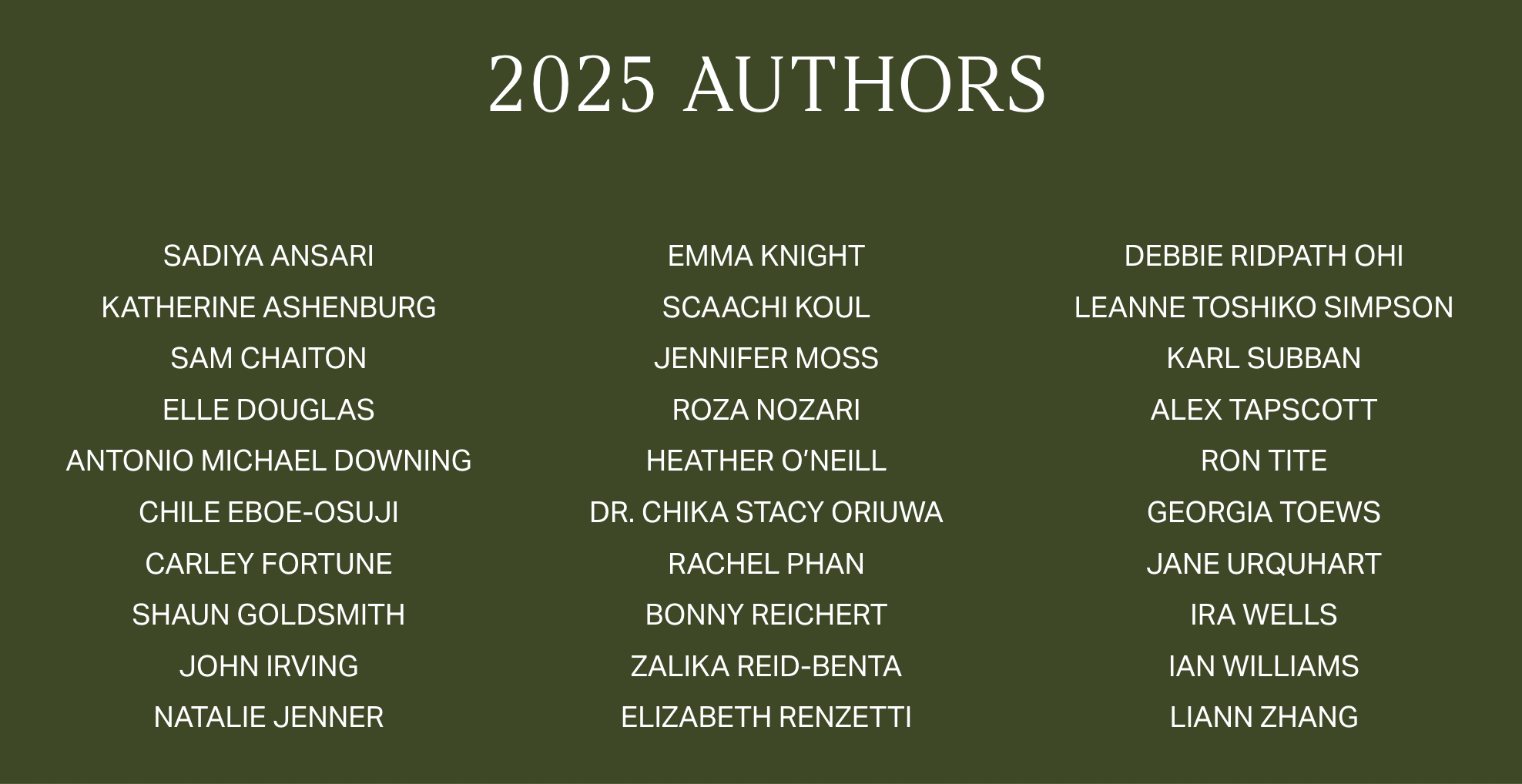
Reading is my number one hobby, and as a writer it’s the most boring thing to say, but it’s true. I read widely — memoir, literary fiction, romance, cosy mysteries — and here are a few works I’ve enjoyed recently:
Anatomy of a Disappearance by Hisham Matar: A friend lent me his copy, and I usually read on my phone (I want to send the founder of the Libby app all the flowers) but loved reading this on paper. It helped me slow down and appreciate Matar’s precise but spare prose. The narrative itself follows an adolescent boy becoming a man grappling with the sudden disappearance of his father, taking him from Cairo to London to Geneva, all while being not-so-secretly in love with his father’s much younger second wife.
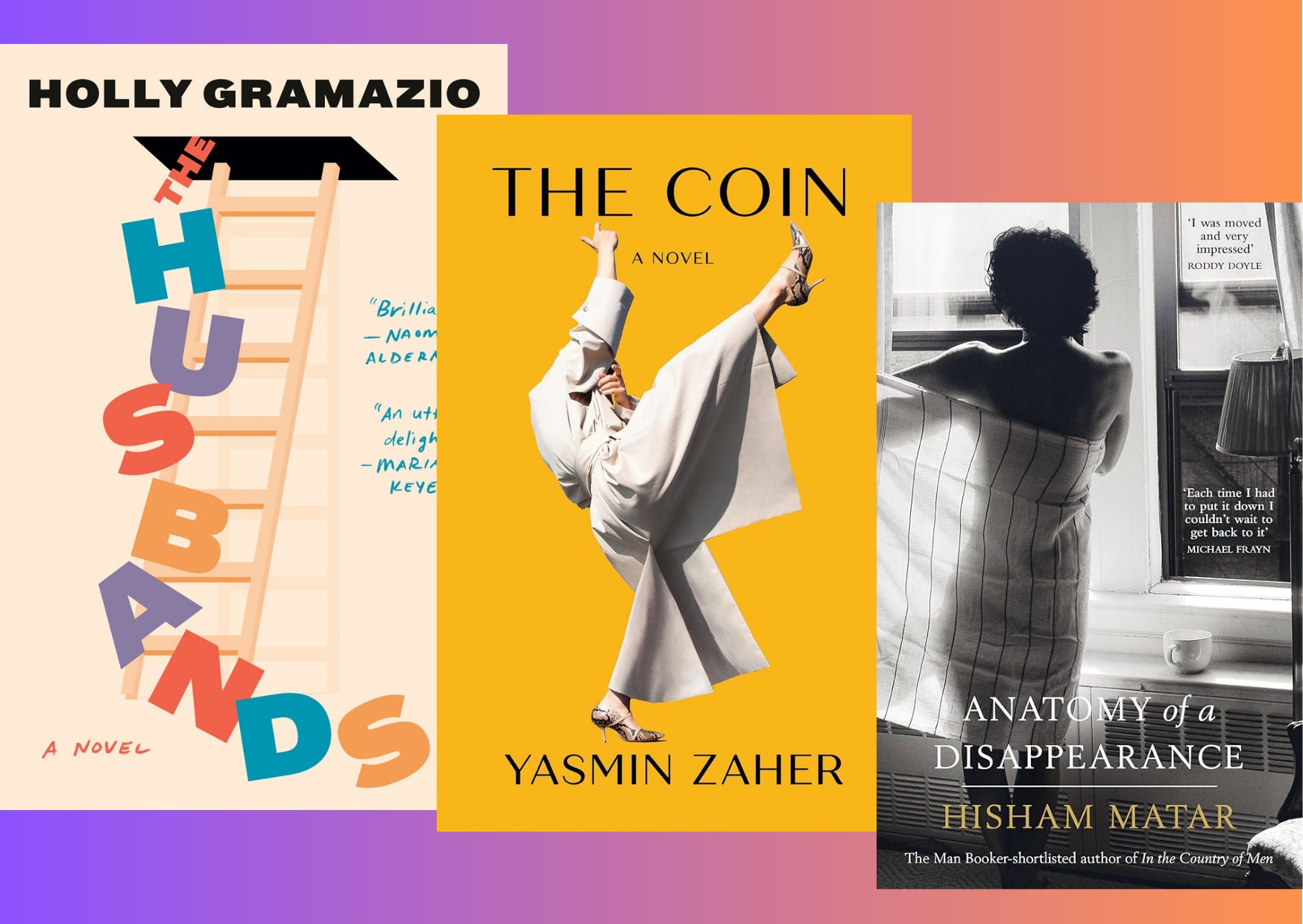
The Husbands by Holly Gramazio: I *devoured* this book about a woman who comes home one night to discover she has a husband — and that her attic appears to be a source of infinite husbands. I wish I had read it more slowly because the writing is delightful, the premise is so smart, and it toys with all the feels — from hope to disappointment in a dating world with seemingly endless options. And most importantly, it was so FUN to read.
The Coin by Yasmin Zaher: This is gorgeously written — every sentence evokes sensory delight or disgust, as it follows a wealthy Palestinian woman in New York spiralling into an increasingly absurd American existence. I’m halfway through this and learning my lesson from The Husbands, am attempting to savour it.
Until next time,
Sadiya
Happy belated birthday! I was thinking of you as Valentine’s Day’s coming up and I always remember spending them with you in those tough years after my divorce. Hoping for a visit this time around when you’re in Toronto. Let me know if you’re available. Will even come up to the 905. 😘